Thursday, May 10, 2007

This Summer? Stay Indoors

Summer is usually a great time for the movies. Theaters always beat the heat as Hollywood puts forth the big bucks to blow audiences away with special effects extravanganzas and escapist fare. But unless you live in a city where Herzog films or Lee Marvin tributes abound, there isn't much to look forward to this year. Most of the movies coming out are unnecessary sequels or tired ideas. It's in these trying times that I am thankful for DVDs. While home entertainment will never quite match the theater-going experience, at least it puts you in control of the crap that's on screen. So this summer, instead of wasting seven dollars on another sequel, crank the A.C., curl up on the couch and enjoy these flicks:

INSTEAD OF


WATCH


The original ogre, The Hunchback of Notre Dame is a classic story and was perhaps no better realized than in this 1939 film starring Charles Laughton. Laughton gives an impressive dramatic performance as the insufferable Quasimodo, whose damaged looks went on to set the standard for Hollywood make-up effects and inspired effects artists such as Rick Baker. The 1928 silent version is great as well.


INSTEAD OF


WATCH


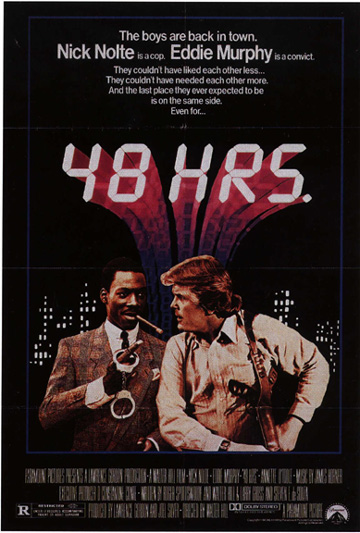
The original Rush Hour was noted for its plays on race relations, but people forget that this idea had already been perfected in the 1982 buddy pic 48 Hours. Much funnier than anything Brett Ratner could produce, 48 Hours features Eddie Murphy as a wise-cracking criminal turned cop who aids Nick Nolte in tracking down a killer. This one's almost a no-brainer - Eddie Murphy and Nick Nolte? Handled by The Warriors Walter Hill? Obviously better than a bunch of Jackie-Chan-No-Speaka-Da-English jokes any day.


INSTEAD OF


WATCH


War and screwball comedy are often mixed with hellish results, but David O. Russel's best film manages to combine the two with biting results. Three Kings is as hilarious as it is critical, pertinent as it is pastiche. Besides, Larry the Cable Guy isn't funny.


INSTEAD OF


WATCH


The brillance behind the 1993 kid's flick Surf Ninjas is incredibly understated. You see, it's about ninjas. Who surf. That's cooler than Penguins any day. The pic stars a young Rob Schneider and Leslie Neilson as the bumbling half-cyborg supervillian. Trust me, it's sweet.


INSTEAD OF


WATCH

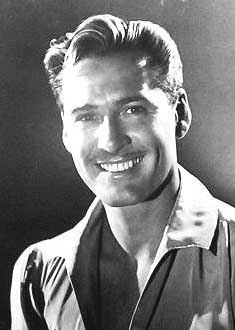
ANYTHING WITH ERROL FLYNN

Errol Flynn was the swashbuckler Johnny Depp wishes he could be. Don't get me wrong, Depp makes a great pirate and all, but those Carribean movies are crap. You're better off watching any number of Flynn's old flicks, including (but not limited to) Captain Blood, The Adventures of Robin Hood, The Dawn Patrol, The Prince and the Pauper, or The Sea Hawk.


INSTEAD OF


WATCH


C'mon now. A PG-13 Die Hard? No one wants that.


INSTEAD OF


WATCH


If you're going to watch a musical that features cross-dressing males in prominent roles, you might as well make it one that stars Marilyn Monroe as well. This classic screwball comedy follows two musicians on the run after witnessing a mob hit. It's countlessly referenced as one of the greatest comedies of all time, and is a great way to get started on the works of master director Billy Wilder.


More suggestions coming soon!

Disney Won't Embrace Simultaneous Release


Disney CEO Robert Iger threw cold water Tuesday on the disclosure by Comcast COO Steve Burke earlier in the week that he was in discussions with studios to make movies available on pay-per-view cable on the same day they were released in theaters for $30-50. Iger insisted that Disney was "not in discussions to sell movies to cable in the same window as theatrical." Iger's comments came during a telephone conference with analysts following release of the company's first-quarter report showing total revenue rising to $8.1 billion from $8 billion during the same period a year ago. Iger forecast a big second quarter but declined to predict whether the upcoming Pirates of the Caribbean: At World's End would exceed the box-office take of the new record holder, Spider-Man 3. He called the new Pirates film, due to open over the Memorial Day holiday, "simply great." Asked about remaining the only major studio to release new movies on Apple's iTunes online store at prices well below those for DVDs, Iger said that Disney makes the same amount of money from an iTunes sale as it does from a DVD. Commenting on the policy of other studios to release only library titles via the Apple site, Iger indicated that only Disney's "fresh titles" are selling well on iTunes.

- from IMDB.com

$30 sounds like a lot to watch a movie on cable TV. I'd much rather go to a theater. But nonetheless, same day multiplatform release is going to become a standard sometime soon. Read more about Simulatenous Release Platforms here.

Paris In Pictures: New Wave Visions of the Modern City pt.2

Mon Oncle & Forms of Comedy

“This is our very own corner… The vase… All of our house is air-conditioned… And I must tell you it was all designed at my husbands factory!” – Madame Arpel


With the release of Play Time in 1967, Jacques Tati completed his masterwork: a film so expertly handled, with so much precise attention to detail, that it took over ten years and required the construction of an entire city to complete. At first glance, Play Time may seem to be the perfect film to address when referring to visions of a modernized Paris. With its ultra-chic, hyper-stylized formations and startling empty spaces, Tatiland appears on screen as a futuristic version of the city, impersonal and indifferent to its inhabitants. But the critique in Play Time is not so much specific to Paris as it is to cities as a whole; as Tati historian Macha Makeieff points out, “Tatiland is not a vision of Paris, but of cities across the globe.” Despite a single scene in which a reflection of the Eiffel Tower is visible in a swinging glass door, Play Time offers much evidence that the city represented within is not specific to a singular location, but rather an amalgamation of multiple regions.

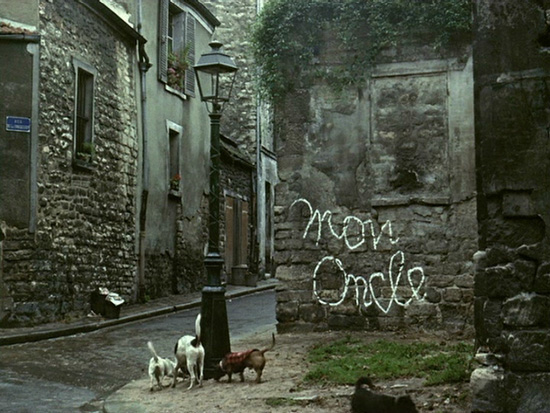
Rather, it is in Tati’s earlier picture, the less abstracted Mon Oncle, where one finds his most distinct representation of Paris. Released in 1958, Mon Oncle is in many ways Tati’s most straightforward film. Michel Chion writes: “Mon Oncle (1958) is, in the works of Tati, the film which most conforms to the classical narrative system, and even represents the only example of its creator’s efforts to unfold a genuine story till the end, starting from a succession of causes and consequences” (32). That story, which focuses on Madame Arpel’s attempts to ‘clean up’ her brother, the insufferable M. Hulot, is in it’s own right a direct representation of modernization. Tati’s Hulot, who lives a simple life in the old part of town, cannot seem to conform to his sister’s hyper-controlled, sterilized ways. While the humor and themes remain constructed through Tati’s dialogue-less, seemingly meandering style, the film is very much aware of its narrative focus, going so far as to make self-reflexive nods. “Listen, what my poor brother needs is an objective… a home… like all this!” proclaims the most determined Madame Arpel.


Tati divides his vision of the city into two halves: the quaint, cobblestone old town in which Hulot lives, and the homogenized modern section of the Arpels. The film sets up this division immediately in the opening credits. Beginning with a shot of a crane and the harsh jackhammer sounds of a construction site, the camera pans down across architect nameplates, which feature the credits. The main title, however, is scribbled in chalk on a building in the old world, and the flighty musical theme of the film begins. This theme becomes a crucial cue in distinguishing the two locations. While the music is prevalent throughout the old section, it is never heard in the modern one, except for in a single scene in which Monsieur Arpel telephones Hulot from his boss’ office to see if he would be interested in a position at the factory. Even then, the music is heard only through the telephone, and disappears when their conversations ends, further accenting the juxtaposition between the whimsical old town and the stuffy modern one. In fact, most of the sounds in the modern section are sharp, grating, or otherworldly; strange buzzes, odd bloops, and accented clanks. However, the pervading sonic mode is silence.


Further shots accent the division between the two sections of the city. The old section is notably characterized by its brick buildings and cobblestone streets, which give it a lively sense of color and human-like imperfections. Conversely, the new section features stark grey buildings that seem identical in form. When a character transitions between the two, Tati offers a shot of a crumbled brick gate, a figure of the old town, with the skyline of the grey modern section dominating the background. This shot, used multiple times in the film, is representative of the deteriorating old ways of Paris. Likewise, inhabitants of the old section seem free to walk as they please, harmonious with nature, while in the modern section, distinct pathways direct characters in motion. In the Arpel’s home, no one is allowed to step on the grass, for fear of ruining the perfect lawn.


Start this article at the beginning with Paris in Pictures pt. 1!

Tuesday, May 08, 2007

Mexican Trio Unite


The L.A. Times is reporting that Mexican directors Guillermo del Toro (Hellboy, Pan’s Labyrinth), Alfonso Cuarón (Harry Potter and the Prisoner of Azkaban, Children of Men) and Alejandro González Iñárritu (21 Grams, Babel) have joined together as a team and are attempting to sell themselves in an “all-or-nothing, five-picture deal” worth approximately $100 million. Carlos Cuarón (Rudo y Cursi) and Rodrigo García (Passengers, Six Feet Under) would also be included in the deal, which the publication says will likely include at least two Spanish language films. Sources also claim that all five films have been identified and budgets had been estimated, but some of the projects do not yet have finished scripts.

The comradery these directors have with each other is really inspiring. I wish more American directors would help each other in this way. The deal is supposedly going to Universal; here's hoping that we see many more great films from these guys.

Saturday, May 05, 2007

Revisit: Road To Bali


A Paramount Pictures release 1952

Directed by Hal Walker

Writing credits:
Frank Butler
Hal Kanter
William Morrow
Harry Tugend

Bob Hope & Bing Crosby star as song-and-dance men who find themselves on a tropical island full of treasure - and a beautiful princess that they both fall for.


An extremely self-referrential comedy, Road to Bali isn't so much about the plot as it is the star-power between Crosby and Hope. Like many comedies of the 50's, it's full of topical referrences, winks to the audience, asides, and of course, silly songs. Crosby and Hope make a great team, and even though the film points out it's own lack of substance, the fun that everyone is having on screen seems to translate. A pretty entertaining way to fill ninety minutes; they simply don't make comedies like this anymore.

Review: Spiderman 3


A Sony Pictures release 2007

Directed by Sam Raimi

Writing credits:
Sam Raimi (screenplay)
Ivan Raimi (screenplay)
Alvin Sargent (screenplay)
Stan Lee (Marvel comic book)
Steve Ditko (Marvel comic book)


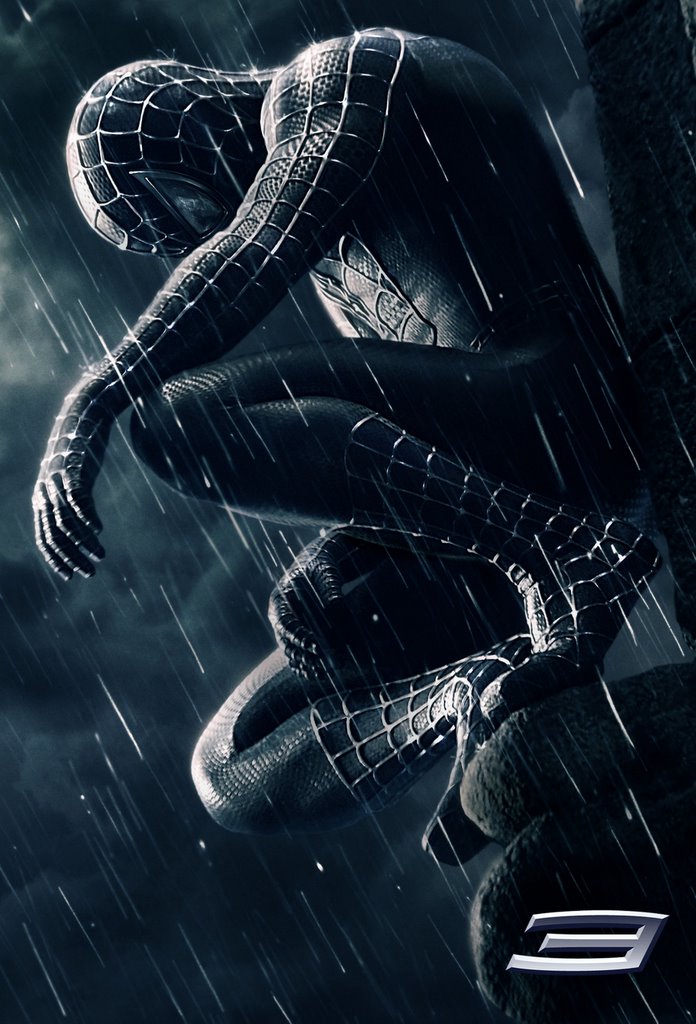
Six years after 9/11, Spiderman continues to swing on the big screen, keeping New York safe from a slew of spiteful evil-doers. The original Spiderman film, released in May of 2002, was the first true post-9/11 movie. While critics debated whether director Raimi should have kept shots of the fallen towers in the film, audiences connected to Spidey's every-man-with-the-odds-against-him charm, the anti-hero that, like our own country, just wanted to do good for his friendly neighbors but couldn't seem to get the respect he deserved.

Well, now Spiderman has that respect and more - and it seems to have gone to his head. Spiderman 3 is all about Peter Parker's inability to see past the suit, to deal with the 'fame' of being a local hero and the dark forces that drive him to revenge. The film boasts three villians - a feat not since seen in a comic book movie since Batman & Robin - but really it has four, with Parker himself perhaps being the greatest of them all. As he continually pushes the people he loves away, Parker becomes consumed by his own hubris, and that internal struggle is brought to the forefront.


While this may be the logical progression for a franchise that roots itself in the struggles of herodom, unfortunately the film lacks any subtlety that would make this transformation interesting. The characters flail around, guided by that most magical of forces: the hand of the writer. Each moment feels painfully obvious, and fails to take us to any new or spectacular height. It doesn't help that much of the dialogue is stilted in that George Lucas sort of way; look for a trying love scene between Parker and MJ on a bridge that actually brought some of the audience at my screening to hysterics.

But most people don't see these films for the dialogue anyway; its all about watching the webslingler shoot his way across the New York skyline. While some of the CGI moments are momentarily breathtaking, much of the action feels claustrophobic, with shots that are too close up or moving too fast to really even see what's going on. In their most evil form, the villians look overly cartoony and at times it's hard to believe that anything on the screen is even being presented with the illusion of reality at all. I really wish they had waited ten years or so for the technology to improve - it certainly would have helped the Sandman, who looks like a giant clump of digital dust.

My suggestion? See this film on IMAX. It's probably the only way to get the full effect of the action sequences, and it might make the rest of the film seem a bit more palatable as well.

Friday, May 04, 2007

Paris In Pictures: New Wave Visions of the Modern City pt.1


The image seems clear. A giant crane towers over fractured earth; its red steel beams crosscutting sections of a bright blue sky. Thunderous shrieks of metal rubbing against rust permeate the air as the machine slowly turns, moving large pieces of pipe to their desired destination. A group of men in plastic orange suits work feverishly below, setting fire to steel and debating the specifics of their creation. Dump trucks rush past, carrying tons of dirt and rock, leaving trails of dust in their place. Fragments of ground spew forth; everywhere the land is shifted, reshaped, recycled.

The image seems clear, but it is contradictory. It is at once a sign of progress, and of gentrification. Construction and deconstruction. Destruction. We tear down the past to make room for the future. Destroy in the name of creation. The City is no stranger to the effects of modernized men; who, of the belief that ‘newer’ is synonymous with ‘better’, rebuild to reconstitute their surroundings and align them with contemporary modes of thought.

But what effects does this modernization have on the people? Where does the simple man fit into this neoteric equation? And who is to say that progress necessitates physical growth?


The French New Wave directors were not quick to dismiss old ideas, nor were they content to celebrate innovation. As post-war Paris experienced its largest development since 1914; as the suburbs began to expand considerably with the construction of large social estates known as cites; as a comprehensive express subway system, the RER, was built to complement the Métro and a network of freeways began circling around the city, New Wave directors explored city life with a watchful eye, observant of the profound effects innovation had on its inhabitants.

And perhaps no two directors were more cognizant of this transmuting social climate than Jacques Tati and Jean-Luc Godard. Tati, with his long overcoat and towery frame, seemed ill suited for modern life, uncomfortable in his surroundings as he was within his own skin. More a predecessor than a part of the New Wave, his uncompromising vision and inability to meld into modernity made him an influential figure within the movement, and it is difficult to separate his image from that of la Nouvelle Vague. Likewise, Godard, the figurehead and an inscrutable insurgent, proposed radical explorations of humanity and social order. His films question the commonality of the human experience, and prompt viewers to re-evaluate the significance, practice, and capacity of culture.


For both directors, the devastating effects of modern times proved fertile ground for thematic exploration across multiple films. However, Tati’s Mon Oncle (1958) and Godard’s Two or Three Things I Know About Her (1967) are their respective seminal works on the subject. While they were made almost ten years apart from each other, both films present representations of the modernization and physical growth of Paris. Both filmmakers use intertexts to comment upon this rapid expansion: Godard through semiotics and the written word, Tati through the modes of silent comedy.

However, beneath these intertexts lies each director's comprehensive knowledge and technical abilities to make full use of the malleability of the film image. It becomes necessary, then, to explore these two films specifically as representations of a ‘modern’ Paris and how these representations relate to the flexibility and sculpture-like qualities of the cinematic image.

Saturday, April 28, 2007

Spinal Tap Reunites for Earth Day

Revisit: Child's Play


An MGM release 1988

Directed by Tom Holland

Written by Don Mancini

The spirit of a serial killer seeking revenge possess a young boy's toy doll.


This flick scared the crap out of me as a little kid, but looking back, it's pretty ridiculous. I mean, it's a doll for christs sake, it's not threatening, just get rid of the damn thing! It really only works cause Chucky is so damn creepy looking. Look at that thing!


Terrifying!

A better concept would have been toying with audience perception on whether the doll or the boy were actually responsible for the murders. The original has since spawned 4 sequels, turning the franchise into a sort of black comedy. It's a horror classic, I guess, but I'm using that term lightly.

Friday, April 27, 2007

Simultaneous Release: Sound Strategy or Mere Ploy?

Have you noticed it? You walk past the local movie theater and see an ad for that documentary or dumb comedy you’ve been waiting to see. You promise yourself that you’ll catch it in theaters but you can’t make time, and within two weeks it’s gone, no longer playing. Normally you’d expect to wait months for the video, but a trip to Blockbuster proves surprising – it’s already available on DVD.

Yes, the time frame between a film’s theatrical release and its appearance on video store shelves is getting smaller. Facing competition from Internet piracy and websites like Youtube.com, Hollywood distributors are starting to abandon the age-old tradition of staggered release dates for shorter time frames between theatrical and DVD distribution. In fact, some distributors are eliminating that window of time entirely. It’s a distribution move called simultaneous multi-platform release, and it’s coming to a theater, TV screen, and DVD player near you.

The concept is simple: instead of releasing a film in theaters and waiting months or even years for it to become available for home viewing, distributors are removing that time window by releasing films in theaters, on DVD, and through digital on-demand cable all on the same day. Though the technique has been used mostly on small budget, independent films that normally wouldn’t get distribution, the strategy challenges one of Hollywood’s most basic – and lucrative – traditions.


The idea for such a radical form of distribution stems from “the belief that the choice as to how consumers view films should rest with the consumer and that theatrical, DVD and Internet forms of distribution need not threaten each other, and may indeed be mutually complimentary,” says John Lentaigne, producer of the film EMR, a deft thriller about drug addiction and paranoia shot for under $100,000 in both the UK and the US by James Erskine and Danny Mccullough. Distributed simultaneously in theatres, on DVD and over the Internet on July 15th, 2005 by a fledgling independent company in the UK called Dogwoof Digital, EMR was the first film to ever to attempt the simultaneous release strategy.

“Our main belief is that simultaneous releasing gives opportunities to release small independent films that are otherwise uneconomical to release,” says Andy Whittaker, CEO of Dogwoof Digital. “We hope to build an audience and give the audience a choice of when, where, and how they watch the film.”

“One of our biggest challenges is distribution,” says Michelle Byrd, executive director of IFP’s New York chapter. IFP – or Independent Feature Project, as the acronym stands for – is a non-profit organization that works to help struggling independent filmmakers find a place for their films. Byrd, who has seen the difficulties of distribution firsthand, believes that simultaneous multiplatform release can do a lot of good for the independent community. “Once you’re done [with your film], how do you actually connect and engage with an audience? I feel that topic is so important,” she says. “Simultaneous release gives filmmakers a way to cover all their bases.”


That belief seems to have caught on. Since EMR’s first attempt at simultaneous release in 2005, three films have followed in its footsteps: A-list director Steven Soderbergh’s improvisational experiment Bubble, released January 27th 2006, Caveh Zahedi’s autobiographical meta-film I Am A Sex Addict on April 12th 2006, and Michael Winterbottom’s docudrama The Road to Guantanamo on June 23rd. They were joined by another, when director Brad Silberling’s 10 Items or Less comes out on December 1st. 10 Items was of particular interest because it was be the first major star vehicle (the film is a road trip buddy comedy featuring Morgan Freeman) to utilize the simultaneous release strategy.

In each of these instances, the simultaneous release strategy seems to have made sense. All were features whose directors felt deserved theatrical release, but for whom such distribution was simply not economically viable. Soderbergh’s Bubble cost a little over 1.5 million dollars, yet went on to gross a mere $145,000 in theaters. Likewise, according to Caveh Zahedi, I Am Sex Addict would have had to gross “one million [theatrically] to put me in the black.” The film performed amiably, but failed to yield much more than $112,000 in revenue. Zahedi says that simultaneous release allowed for his dream of seeing his film on the big screen come true, while also making sure the film turned a profit. “Theatrical distribution is so high a risk that video on demand suppresses it. It’s a way of [distributors] protecting themselves, I don’t think they would have released it otherwise.”


Zahedi’s distribution story is particularly interesting in that it exhibits some of the problems with simultaneous release, as well. Originally expecting to see his film in cities across the nation, Zahedi received word a week before release that Sex Addict was being pulled from fifteen Landmark Theaters across the country. Landmark Theaters chain owner Mark Cuban pulled the film after he discovered that it was going to be available for viewing on Comcast On Demand, a major competitor of Cuban’s own HDTV/HDNet Films brand. Cuban, as he notes in his blog, is a “full supporter of the simultaneous release platform,” as he believes “that Hollywood’s distribution system requires radical change”. However, his decision to pull the film from theaters exemplifies the reality of the business, and the tricky situations simultaneous release may create.

For now, it seems as though the simultaneous multiplatform release structure may be relegated as a solution for the independent community only. Hollywood won't know the impact of simultaneous release until a studio tries it with a big-budget picture. But staggering the release of a movie between various formats has been a huge source of revenue for many years, and it might not be easy to dislodge such a lucrative, antiquated model. The biggest chain theaters, including AMC Entertainment, Cinemark Entertainment and National Amusements, have openly said they have no interest in carrying a film with a model that could undercut their own business. “We choose films to show based on what we think will fill the seats,” says a manager at City Cinemas Village East. “I wouldn’t choose something that I knew people could see at home.”

However, the consumer will ultimately make the decision. With new video technology appearing on the net each day, and home theater system quality improving, theatrical distribution faces a major threat. But for some, nothing can replace the magic of the theater. “I think it’s cool but it’s not for me,” says Paul Walker, a senior cinema studies student at NYU and employee at Focus Features. “I’m a theater man. I prefer to see films in theaters. But I could see its appeal for others.”

Revisit: The King of Comedy


A 20th Century Fox release 1983

Directed by Martin Scorsese

Written by Paul D. Zimmerman

Aspiring comic Rupert Pupkin (Robert DeNiro) wants to achieve success in showbiz, by resorting to stalking his idol, a late night talk show host (Jerry Lewis) who craves his own privacy.


A film about obsession that lacks any subtlety, The King of Comedy feels like a retread for Scorsese: a dumber, less politically energized version of Taxi Driver. While the direction and performances are on par, the problem here lies in the script. It is at once obvious, annoying, and full of unecessary filler scenes that culminate in a tacked on conclusion about our celebrity-obsessed culture. Ironic, considering we watched it for a screenwriting class.


The only pleasure here (if one could go so far as to say anything about this film is pleasurable) is the presence of Jerry Lewis. Essentially playing a caricature of himself, Lewis is cast in a dramatic role, which he handles deftly. It's interesting to see Lewis shout and scowl as the seemingly innocent showman who's merely looking for peace of mind. Unfortunately, he's given too little to do and his role becomes moot by the third act. Scorsese however, the ever-fawning film nerd that he is, manages to toy with the trappings that come with casting such an iconic performer. The film contains many of the hyper-bright colors that were standard in Lewis comedies, and even manages to get Tony Randall into the mix, posing the film as a nod to the satirical social comedies of the 1950's. Someone must have been a Tashlin fan!

Supposedly the production of this film was so grueling that it caused a rift between Scorsese and DeNiro; the two didn't work again for nearly seven years, which is a long time considering their history. With material as shoddy as this, it's easy to see why.

Thursday, April 26, 2007

The Gates of Jurassic Park


One of the most successful films in box-office history, Jurassic Park represents a milestone in big-budget filmmaking. Seamlessly blending science with adventure, humor, horror, and suspense, the film utilizes puppetry and computer generated images to bring one of nature's oldest mysteries—the dinosaurs—to life. Upon its release, Jurassic Park boasted the most innovative and breath-taking onscreen effect sequences, particularly in regards to CGI, a new medium at that time. Since then, the film has stood as a model for special effects filmmaking, a landmark moment in blockbuster history.

To attribute this success solely to the film's groundbreaking effects, however, would be unsound. Though the effects do serve as the ultimate spectacle for the audience, Jurassic Park exhibits a true understanding of timing and build-up, of how to construct a cinematic sequence in order to wring out the greatest amount of tension. This can be accredited to Steven Spielberg, the acclaimed director of other smash hits such as Jaws and Raiders of the Lost Ark. Spielberg acts almost as a guide through Jurassic Park, expertly building conflict while ultimately adding a sense of representational duality through editing, framing, and iconography. As an example of such multi-dimensional representation, the gated entrance in Jurassic Park serves not only as a symbolic introduction to the spectacle of the film, but acts as a conscious product of the standard Hollywood blockbuster.


The gated entrance of Jurassic Park is, quite literally, a giant gate. It appears approximately one third of the way into the film, just as the characters begin the motorized tour. Before this moment, Spielberg develops escalating levels of excitement, briefly exhibiting a dinosaur and using time to verbally explain the mystery and wonder of the park. However, the tour marks the point at which the characters (and audience) will finally receive visual confirmation of what they've been waiting to see, and consequentially the tone of the scene reflects this ripe anticipation. It is only appropriate that the gate is introduced by a guiding verbal announcement: “Hey, look!” This statement identifies and defines the gate foremost as an object to look at, a spectacle—a direct convention of the blockbuster genre, if defined as such. Following this dialogue is the first shot of the entranceway, a lengthy long-distance tracking shot in which the gate appears to grow in size as the camera approaches it. This slow build-up both mirrors and accelerates the tone of the scene; the slowly decreasing distance between the audience and the gate, coupled with its seeming rise in size and stature, affirms and builds audience anticipation.


As the cars move along the track, we see awe and enthusiasm among the characters faces. Spielberg's next shot brings the audience into the cars, eye-level with the characters in the film. This direct association between audience and character strengthens the sincerity of the visuals, placing the audience inside the adventure, promoting a shift from passive to active view. It also allows Spielberg to contort the size of the entranceway yet again; now it fills the entire front window of the car, spilling out past the frame. The camera pans upward, using the open sunroof to capture the rest of the image. At this view the gate appears huge, towering over the motorized cars with its immense presence. Spielberg continues this theme with his next two gate shots—a canted angle crane shot, followed by a medium distance shot of the entrance doors closing, both of which give the appearance of the gate dwarfing the tour group.

This concept of size, particularly at the introduction of the park tour, signifies the spectacle that waits within. Spielberg's construction of the gate through edits creates a towering force, producing a physical representation of the powerful visual display present throughout the film. However, elements of mis-en-scene other than editing aid in this interpretation. John William's score pervades the scene, bombastically celebrating the arrival at the park gate. Characterized by ecstatic blasts of trumpet and the epic rise and fall of strings, William's theme for the film not only narrates emotions felt by the characters, but guides the audience disposition as well. The swelling of the music, particularly as the gate closes, toys with the audience's anticipation, portraying sonically what Spielberg had previously conveyed visually.


Similarly, dialogue acts to reiterate the theme of magnitude. As the cars move through the entrance, Dr. Ian Malcolm (Jeff Goldblum) quips “What do they got in there, King Kong?” This direct reference to the 1933 classic about a colossal ape amok in New York City—a special effects extravaganza that remains a large influence on blockbuster filmmaking to this day—creates a link between the films in terms of graphic scale in relation to the presence of a giant gate. Like in Jurassic Park, the gate in King Kong appears approximately one-third of the way into the film. Unsurprisingly, it looks almost exactly like the one in JP—a towering wooden structure studded with torches. Introductory dialogue (“Colossal!” “I want to know what's on the other side!”) establishes the spectacle of the gate, while a thunderous aboriginal ceremony at its front signifies a certain larger symbolic significance. As the ceremony moves forward, we see the gate open to unveil a religious altar; the natives scale the top of the gate to watch as Kong, the gigantic ape, completes the sacrifice.

At this point, the gate serves three cinematic purposes: a self-referential object realizing the grandiosity of the film, a diegetic object of protection and religious importance for the indigenous peoples within the story, and a barrier between the civilized world and the world of Kong, a dangerous territory where spectacle and special effects reign. Before the display of the gate, King Kong builds anticipation through dialogue: “Money! Adventure! Fame! It's the thrill of a lifetime!” exclaims Carl Denham, the punchy, persistent coordinator of the fateful trip. However, once the characters pass through the gate, they are overwhelmed by effects, turned into pawns for puppets and claymation figures. Later in the film, as Kong busts through the gate, the two worlds collide, and the final spectacle of the film is realized—the blending of chaos and civilization.
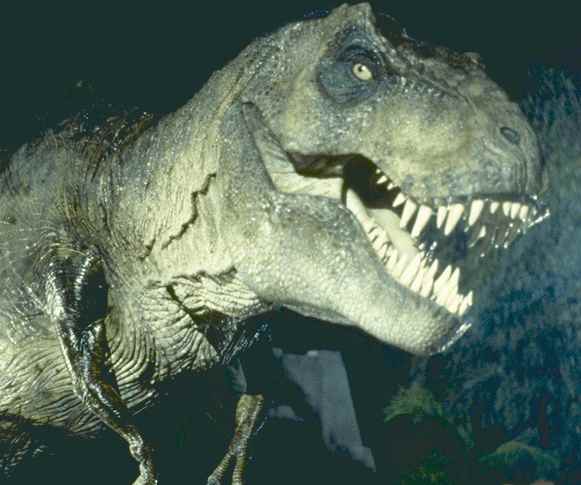


Ultimately, what purpose does the gate in Jurassic Park serve? In relation to the diegetic world of the film, the gate offers no protective use, disconnected from the electrified fences used to pen the dinosaurs. In fact, the gate is never shown in the film again! And though it presents the point at which the action bleeds into chaos, marked moments of effects before this point in the film separate Spielberg's building-block approach to tension from that of King Kong's distinct filmic binary. In the end, the gates of Jurassic Park represent a hypocritical sort of necessary excess, both within the world of the film and as part of the spectacle of modern blockbuster filmmaking. Constructed through multiple elements of mis-en-scene, the gate as an entity alludes to the important of size and showmanship without serving any other real function. It maintains the film's thematic narrative criticism of gluttonous entertainment-business practices (Represented, for example, by the lawyer, the JP products, “spared no expense,” etc), while at the same time succumbing to Hollywood's own brand of profligacy. Perhaps this complexity results from Spielberg's deft direction, but it seems more likely a product of Hollywood blockbuster tradition, where spectacle overrules necessity, even in this most minute scene.


Originally published on Metaphilm.com December 4th, 2005.

Revisit: North By Northwest


An MGM release 1959

Directed by Alfred Hitchcock

Written by Ernest Lehman

A hapless New York advertising executive (Cary Grant) is mistaken for a government agent by a group of foreign spies, and is pursued across the country while he looks for a way to survive.
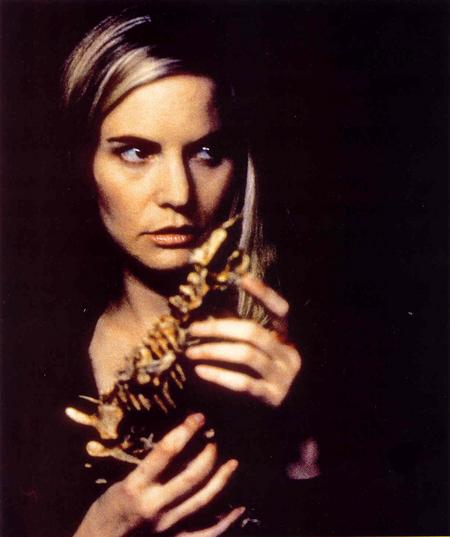


Working with screenwriter Ernest Lehman, Hitchcock was originally comissioned to do an adaptation of the novel The Wreck of the Mary Deare by Hammond Innes, but the two hit a road block. After scrapping the project, Lehman said that he wanted to write the ultimate Hichcock flick. The legend goes that Hichcock had always wanted to make a film featuring an intense climax atop Mount Rushmore, and within days North by Northwest was born.


In many ways, North by Northwest is the ultimate Hitchcock film. Perhaps his most well known, it features two iconic scenes in Hitch's canon - the intense plane sequence and the even more intense chase atop Mount Rushmore. As always with Hitchcock, the film is visually brilliant; beautiful high angle crane shots and quick pans give way to resounding depth. The film deals with traditional Hitchcock themes of mistaken identity, blurred reality, and doubling, and features the most pure example of the Hitchcock 'MacGuffin' (a physical object that everyone in a movie is chasing after but which has no deep relationship to the plot): the microfilm containing government secrets which the spies are attempting to smuggle out of the country.


Cary Grant supposedly felt the script was convoluted and didn't make sense, but that doesn't show in his performance, which comes across as effortless and breezy. Grant was almost entering the 'grouch' phase at this point is his career, but he's a pleasure to watch as an affable victim of circumstance.


A must see for anyone who enjoys the cinema.

Tuesday, April 24, 2007

WTF?


Darth Vadar Hot Air Balloon Takes Fandom to New Heights

I may be a Star Wars dork, but that thing is absurd!

Monday, April 23, 2007

I Scream Man


I tend to have strong affinity for super-cheesy horror flicks, the 1995 Clint Howard vehicle Ice Cream Man being the perfect example.

Well, /Film.com is reporting that Crispin Glover just signed on to star in The I Scream Man, an independent horror flick which follows a vengeful ice cream vendor, driven by brutal memories from his twisted past, who wreaks bloody havoc on the small town of Hooper, California.

Is it just me, or do these two films sound exactly the same? It was stupid and cheesy the first time around, what makes them think this will be any different? I love Crispin Glover, and I'm sure he will make this watchable, but simply putting a stronger cast in something that's silly as hell does not make for a better film.

Sunday, April 22, 2007

Revisit: eXistenZ


A Dimension films release 1999

Written & Directed by David Cronenberg

A videogame designer (Jennifer Jason Leigh) creates a virtual-reality game that taps into players' minds.


An existentialist film about the power of gaming, eXistenZ is unmistakably Cronenberg. Violent, gruesome, and rampant with flesh, the film acts as a sort of compendium to his 1983 masterpiece Videodrome; it explores similar themes of human sexuality and technology, along with blurred visions of reality, and even has many direct references to Videodrome ("Death to eXistenZ!", the fleshy gun/pods, etc). Cronenberg has an excellent way of taking imagery and recontextualizing it, reframing objects, characters, and settings so that they become unique, or take on new meanings. For example, the Chinese Restaurant present in this film. While not one of his premiere works, eXistenZ is a fun film by one of the best working directors of our time.

Tuesday, April 17, 2007

Paul Newman & the Cinematic South


The Ideal Imposter: Paul Newman & the Cinematic South

A parody of the Christ story set on a Florida chain gang, Cool Hand Luke is one of those movies so many people think is great that critics who recognize life is short just shudder and change the subject. It’s not worth trying to get fans to notice how pointless Luke is, or how inordinately pleased the filmmakers are by the hip equation of the hero with Jesus—which is cleverness in a vacuum, because the equation actually doesn’t tell us anything about either man.


That quote comes from an interesting article by Tom Carson that explores Paul Newman's connection with the American south. Newman starred in a slew of films that took place in our nation's heartland - from Cat on a Hot Tin Roof to Sweet Bird of Youth, Hud to Cool Hand Luke. While I don't agree with his assertion that Cool Hand Luke is "pointless" - Luke is one of my favorite films of all time, and regardless of the overt religious undertones, it is a fun picture that does explore the psychological effects of imprisonment to some degree. But Carson draws an interesting connection between Newman and the deep South; Despite his Cleveland, middle-class upbringing, Newman always managed to convince audiences that he was that lonesome southern man simply looking for his peace/piece.

it’d be a mistake to call the disconnect incongruous; a more accurate word would be crucial. Audiences always knew this puckish smoothie was just acting when he curled his lip to taunt us with his contempt for gentility—not really plumbing the depths of postwar sophistication or bitterness, but showing us what a rakish good time could be had in their shallows. A tragedian he wasn’t, and that’s why he was so phenomenally enjoyable. It made him the ideal inauthentic Southerner for a Hollywood whose new appetite for bold themes was in hock to the old imperative of making them congenial.


I've made the point before that anything Newman touches essentially turns to gold, and I'll stand by that statement. Even at his current age, Newman remains a nuanced performer. In tribute, here are some sweet scenes from Cool Hand Luke:


Monday, April 16, 2007

The Grindhouse Debacle

It was at the end of Death Proof that I came to the following conclusion – Quentin Tarantino needs a girlfriend.


Grindhouse has been out for two weeks now and it's official - the film is a bomb. There's been some outcry from the film-making community, and a lot of speculation as to why it failed - audiences who walked out not knowing it was a double feature, the 3 hour+ run time limiting turn over. Frankly, I think it failed for a couple of obvious reasons: it's a violent niche flick that isn't all that good. Not a very big market of people looking for that.

A lengthy comment about the film over at Film Brain essentially echoes my own feelings:

Simply stated, Tarantino can't write dialog for women to save his life. Listening to the palaver of the two disparate groups of women in the film – be it about making out or muscle cars – you'd think the screenwriter had never actually spent time with women. This isn't Quentin trying to write intentionally bad dialog, à la The Cheerleaders – the style is identical to that of his earlier films, except that unlike the nameless hoods of Reservoir Dogs, or the multitude of characters in Pulp Fiction, the women in Death Proof aren't characters at all, they're merely character types; agents for Tarantino's excursions into violence and vengeance. In past films, even minor characters (Gogo Yubari, Honey Bunny) had a certain three-dimensional quality to them. None of that is to be found here. (Unless of course you consider liberal use of "Nigga' please" as character defining.)

Several of the lengthy dialog scenes go absolutely nowhere, fizzle out, or are otherwise pointless. For example, Kim and Zoe's story about the ditch in Thailand – neither funny, revealing, nor particularly interesting, its function (as far as I can tell) is simply to prepare us for Zoe's miraculous survival later in the film. Where's the payoff we've come to expect from such setups?


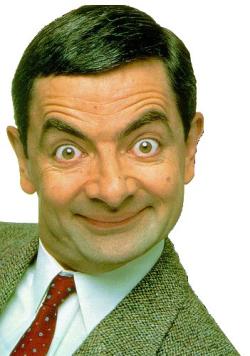
Mr. Bean is Really Popular


How did Mr. Bean become Britain's unofficial ambassador?

The lastest Bean film, Mr Bean's Holiday, is a global smash hit, No 1 in 21 countries and top of the international box office. And if you ask a non-Brit to describe Mr Bean, these are the words they deliver back: hapless, awkward, self-conscious, childlike, disaster-prone ... and British. Resplendent in geeky tweed, the Mini-driving Mr Bean increasingly seems to be a symbol of Britishness around the globe.

One of the many ironies in this story is that Atkinson says his quintessentiallyBritish creation was in part inspired by a French comic character, Monsieur Hulot, invented by French actor, director, writer and producer Jacques Tati, who released a series of films, including Monsieur Hulot's Holiday. Mainly, however, Bean was the result of decades of the comic studying himself.


That's an excerpt from a really interesting article in The Guardian probing the multi-cultural impact of Mr. Bean. The Tati influence is striking, when you think about it, but I think Rowan Atkinson takes the whole uncomfortable thing beyond the realm of idiocy. But what is most interesting is the impact Mr. Bean has had worldwide, particularly in the middle east.

The character has been popular across the Middle East, from Israel to Iraq, for years. The new film is currently the No 1 box-office attraction in Lebanon and the United Arab Emirates. There have been more than 14m Mr Bean videos sold worldwide; many have been sold in Tehran's shops and stalls.


Rowan Atkinson's lack of fine motor skills once again proves that brain-damage-adventure is still Britain's funniest genre. - I Watch Stuff

Saturday, April 14, 2007

Revisit: Mad Max Beyond Thunderdome


A Warner Brothers picture 1985

Directed by:
George Miller
George Ogilvie

Writing Credits:
Terry Hayes &
George Miller


Mad Max (Mel Gibson) is a former cop who finds himself in a post-apocolyptic desert town called Bartertown. He is hired by the leader of the city to fight in a gladiator like arena called Thunderdome, so he can kill Auntie's (Tina Turner) rival Master Mlaster. Later banished, Max finds a group of children that survived a plane crash during the war. Some of the children leave to find their fabled tomorrowmorrow land, so Mad Max has to save them from the desert and from Auntie's Bartertown.


Absurdity abounds in this third installment in Mel Gibson's post-apocalyptic Mad Max series. The Thunderdome sequence is cool as hell, and the car chases are sweet, but this thing starts sucking whenever it tries to go "Beyond Thunderdome". Coherence and logic are not one of the film's friends. And another thing - why do women find Mel Gibson attractive? The man grunts and groans his way through this flick looking like the missing link. I mean, I guess if you like illiterate drunk Australian douchebags you'd find him attractive. But at least its got some strange ideas (Tina Turner as the evil queen?!) and funny moments (Mel Gibson almost kills a retard!). They don't really make ridiculous action flicks like this anymore - insincere and totally insane - so the humor and spunk are definitely something to cherish.

Friday, April 13, 2007

Revisit: Seven Brides for Seven Brothers


An MGM release 1954

Directed by Stanley Donen

Writing credits:
Stephen Vincent Benet (story The Sobbin' Women)
Albert Hackett
Frances Goodrich
Dorothy Kingsley

Adam (Howard Keel), the eldest of seven brothers, goes to town and convinces Milly (Jane Powell) to marry him. Milly sets out to reform the uncouth siblings, who are anxious to get wives of their own.


One of my top three favorite musicals, Seven Brides is an absurd exploration o love as filtered through hyper-accentuated representations of gender. Adam - the manliest man imaginable - marries Milly - the most hopless romantic of women imaginable - and they sing lovely backwoods songs about lonliness and love. The film is a great example of widescreen formatting - MGM crams somewhere upwards 15 characters on screen at once, dancing intensely. Makes a great case against adjusted TV formatting. Fantastic entertainment.


Thursday, April 12, 2007

Rip Torn DUI Heads to Trial


A court clerk told The Journal News on Tuesday that Torn had decided on the nonjury trial, scheduled for June. The 76-year-old actor was charged Dec. 4 after a crash on Hardscrabble Road in North Salem, a suburb about 60 miles north of New York City. Torn, who lives in Lakeville, Conn., had lost control of his sedan and struck a tractor-trailer.


Frankly, I don't give a shit about this at all. I just wanted to share that excellent, excellent mug shot. Also, this hilarious video.


God, I love Rip Torn.

Barbarella to be Remade?


Casino Royale writers to remake Barbarella


A remake of Barbarella has been in the works for years now; originally Drew Barrymore had expressed interest in reviving the film, and now it seems like the writers from Casino Royale, Neal Purvis and Robert Wade, are gonna be tackling the script. Personally, I wish they would leave this film alone - it's one of my favorite sci-fi flicks of all time, a sly mix of camp, eroticism, and absurdity. Part of the reason it works so well is because it's trapped in it's time. You can't recreate the cheesy, psychadelic special effects or recapture the sexuality of Barbarella. A remake would simply imply a sluttier, suped-up version, and that would be terrible. Not too mention that Neal Purvis and Robert Wade don't exactly have the best track record.

They just can't leave anything alone anymore, can they? Oh well. Go out and rent the original with a couple of friends - it makes a great group viewing experience, and is loads of fun. Plus, Jane Fonda is super hot.

Jacques Tati Retrospective


On Tuesday I was lucky enough to catch a screening of Play Time, Jacques Tati's undisputed comedic masterpiece and possibly my favorite film of all time. The print was absolutely beautiful - restored for the 2002 Cannes Film Festival by Macha Makeïeff through her distribution company, Les films de mon oncle. Makeïeff was even there in person for a Q&A afterwards, in which she discussed the beauty in Tati's image, theatrical influences, Tatiland as a representation of the modern city (rather than an interpretation of circa-1967 Paris), and Tati's amazing comedic ability to transform objects into sources of tension.


A clip from Play Time

I can not stress enough how beautiful Tati's films are. Though he only made five in the span of thirty years, each one is rich with humor and a unique understanding of the world. Generally unknown to those outside of the academic cinema world, his work remains criminally underrated and unseen. Thankfully the French Institute is hosting a retrospective of all of Tati's films throughout the month of April. While it may be too late to catch Play Time (make sure to rent the fantastic Criterion release on DVD), you can still go see Mon Oncle, Parade, and M.Hulot's Holiday. Catching these films on print is rare, so if you're in NYC anytime soon, I highly suggest you check them out. Here are the dates:

Tuesday, April 17 at 12:30, 4 & 7:30pm
Four Short Films By Tati

Friday, April 20 at 7pm
Mon Oncle (My Uncle)

Tuesday, April 24 at 12:30 & 7:30pm
Parade

Tuesday, April 24 at 4 & 9pm
Les vacances de Monsieur Hulot (Mr. Hulot's Holiday)

All screenings are at the Florence Gould Hall, 55 East 59th Street.

Wednesday, April 11, 2007

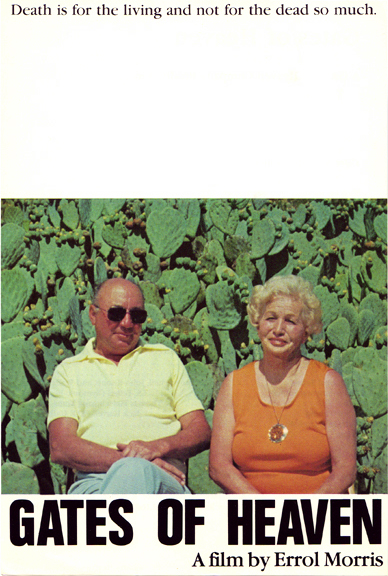
Revisit: Gates of Heaven


An MGM release 1980
Directed by Errol Morris

A documentary about a pet cemetary in California, and the people who have pets buried there.


Werner Herzog once bet that he would eat his shoe if a young film student named Errol Morris could complete a film about pet cemeteries. In response, Morris crafted one of the most bizarre, beautiful, funny, and pathetic documentaries of all time. Gates of Heaven probes issues of life, death, and the human condition through pet lovers, and in doing so creates a cast of vivid, real characters who are at once compelling and yet utterly strange. Featuring beautiful cinematography by Ned Burgess, the film's washed out, painterly quality ensures that it will only be more beautiful with age. A must see.

Revolt!

The Projectionist's Revolution

But what if the fiasco in Holtsville was no accident? Imagine an elite corps of prankster projectionists, forcing people to widen their horizons a little. We know you've bought a ticket for 300, but instead here's a lovely new print of All Quiet on the Western Front. Sure, all your friends at school told you to see Meet the Robinsons, but we think you should see Alphaville. Why waste your time on Wild Hogs when instead you can watch Husbands? And there's no way in hell we're going to let you see The Reaping until you've watched Day of Wrath.


Sounds like a plan.

Sunday, April 08, 2007

Revisit: Dead Poets Society


A Touchstone pictures release 1989

Directed by Peter Weir

Written by Tom Schulman

English professor John Keating (Robin Williams) inspires his students to love poetry and seize the day.


Before he donned a white coat and sickened audiences with extreme saccrine in Patch Adams, before he won an Oscar for portraying the hard-nosed mentor to Matt Damon's genius janitor in Good Will Hunting, Robin Williams tackled another inspirational role of sorts in this 1989 drama about prep-school students who step out of themselves and 'seize the day'. Something about dramas from the late 80s/early 90s make them so unmistakibly from that time period; the film hasn't aged poorly, per se, but you can tell that it's from that period right away. The script is good but not great (you can see a lot of the 'conflict' coming from a mile away), and Williams gives a surprisingly good, restrained performance (something he isn't very well known for, especially in such overly-affecting fare). One of his better films.

Friday, April 06, 2007

Review: Grindhouse


A Dimension films release 2007

Directed by
Robert Rodriguez (segment "Planet Terror") (fake trailer segment "Machete")
Eli Roth (fake trailer segment "Thanksgiving")
Quentin Tarantino (segment "Death Proof")
Edgar Wright (fake trailer segment "Don't Scream")
Rob Zombie (fake trailer segment "Werewolf Women of the S.S.")

Writing credits:
Robert Rodriguez (segment "Planet Terror")
Quentin Tarantino (segment "Death Proof")

Two full length feature horror movies written by Quentin Tarantino & Robert Rodriguez put together as a two film feature. Including fake movie trailers in between both movies.


For a film that's billed as having "uncensored sexuality and untamed thrills", Grindhouse is pretty tame. Sure, the violence is splatter-ific and the girls are scantily clad, but outside that the films offer little in terms of sex or violence. In fact, the visual grain and 'missing reel' effects - added to make the films appear more like one of their 70s counterparts - always kick in strongest when the violence and sex seems to get too overt.

So what's the point? Grindhouse is more tongue-in-cheek homage than actual grind, and plays exactly like what it is - a big budget pretend to be bad movie. Evenly split between Rodriguez's 'Planet Terror' and Tarantino's 'Death Proof', it thankfully doesn't suffer from a lack of consistent tone (a la Four Rooms). However both directors styles are clear in their approach the the grind film, with Rodriguez going for balls-out action and gore and Tarantino taking the slow route. Neither film is perfect, but I definitely preferred Rodriguez's (against most popular critical reception). Mostly because it's at least fun. Rodriguez is the perfect director for these kind of movies; content to tinker with special effects and concocting crazy death sequences, he leaves just enough room for the story be almost convincing (albiet incredibly silly).

Tarantino, on the other hand, bogs down 'Death Proof' with enough bad dialogue to kill everything fun about it. While it's refreshing to hear women speak frankly and with cuss words, one can't help but feel Tarantino's hand magically placing each syllable into his actors mouths. The dialogue is so forced and utterly meaningless that it degrades Kurt Russell's stellar performance and Tarantino's steady camera work, which is actually quite impressive.

It all brings me back to the most frustrating point of Tarantino's work - the man is talented, and could be making great films, if he would just quit wasting his time on this trash. The Rodriguezs and the Eli Roths have it covered, QT, let them handle it. We all know you can write dialogue out your ass, but make it mean something next time.

Grindhouse isn't the worst way to spend three hours - it's bloody and fun, for the most part. But it isn't a step forward for either filmmaker; in fact, it's a step back. It doesn't push the boundaries of good taste, either; you can't find anything in the film that your average videogame doesn't feature.

So, what's the point?

Revisit: Yankee Doodle Dandy


A Warner Brothers picture 1942

Directed by Michael Curtiz

Writing credits:
Robert Buckner
Edmund Joseph

The life and times of American song and dance man George M. Cohan (James Cagney)


Everyone knew Cagney made an excellent gangster, but who knew he could sing? Jimmy won an Oscar for his role as American broadway staple George M. Cohan, an award which was more than deserved; Cagney invests himself completely in the part, displaying his full range of talent. With all the flag-touting, it's surprising this isn't a Busby Berkeley musical. Perhaps only beat by the lessor known Footlight Parade.


Revisit: Now, Voyager


A Warner Brothers picture 1942

Directed by Irving Rapper

Writing Credits:
Olive Higgins Prouty (novel)
Casey Robinson (screenplay)

A Boston spinster blossoms under therapy and finds impossible romance.


Bette Davis successfully transforms from ugly duckling to socialite in this Hollywood equivalent of a Kate Chopin novel. The film capitolizes on Davis' ability to look homely, as well as her acting chops, which were second to none. At the time it was a revelation - how could someone so ugly become so beautiful? - but I can't help but think that this film is directly responsible for standard cinema cliche of the 'glasses' phenomenon that feminist theorist Laura Mulvey once outlined. Happiness is directly linked to beauty, and then male gaze, but can a woman not be happy on her own? Regardless, the film has a superb cast - including Claude Rains, Paul Henreid, and Gladys Cooper - and will probably be remembered as the quintessential woman's picture. Look for the scene in which Paul Henreid places two cigarettes in his mouth, lights them, and then passes one to Bette Davis - truly classic.

Tuesday, April 03, 2007

Revisit: La Dolce Vita


An Astor Pictures Corporation release 1960

Directed by Federico Fellini

Writing credits:
Federico Fellini (story & screenplay)
Ennio Flaiano (story & screenplay)
Tullio Pinelli (story & screenplay)
Brunello Rondi (screenplay)

Marcello (Marcello Mastroianni) is a young playboy journalist who spends his days between celebrities and rich people, seeking ephemeral joy in parties and sex.


With its three hour run time and a story that goes nowhere, La Dolce Vita is a film about excess in more ways than one. A master of image, Fellini uses the grandiose architecture of Italy to mirror the empty lives of the bourgeoises that inhabit such elegant spaces. By placing characters within context of such beautiful, but vast, cold stone buildings, he offers spectators a disenchanting glimpse into the ultimately unfufilling lives of Italia's most rich and famous.

Though not as playful as Godard, Fellini employs some interesting sound tricks as well. Characters in groups are presented without background noise, while personal conversations between two people are often suffocated by diagetic sound. A great example of this can be found in the scene when the American actress first arrives; the struggle of the paparazzi as they try to snap her picture is clear, but when she walks away with Marcello, their conversation is deafened by the hum of plane engines. Clearly this fits with the films overall theme - characters can function in a group setting but are blocked from personal communication, just as they can not seem to elevate their material fortunes into spiritual fulfillment.

Ultimately, La Dolce Vita is a film about escape. However, if your eyes aren't glued to the screen, the film might escape you as well. Despite its visual beauty (and the fact that Italian is one of the most lyrical languages around), the films three hour run time is a bit harsh. Not quite the biting satire of Bunuel's Discreet Charms, Fellini's film celebrates excess while simultaneously denouncing it. The films message isn't mixed, but perhaps too blunt; upper class Italians are decadant. Recommended for cinema fans.

Sunday, April 01, 2007

Review: The Lookout


A Miramax film 2007

Written & Directed by Scott Frank

Chris (Joseph Gordon-Levitt) is a once promising high school athlete whose life is turned upside down following a tragic accident. As he tries to maintain a normal life, he takes a job as a janitor at a bank, where he ultimately finds himself caught up in a planned heist.


A character-driven heist film that gets bogged down by its overly blatant redemption theme, The Lookout is perhaps most notable for an excellent performance by Joseph Gordon-Levitt. In fact, the whole cast, which includes Jeff Daniels, Matthew Goode, Isla Fisher, Bruce McGill, and Carla Gugino, is fantastic. At its best, the film is sharp, funny, and an unsettling; as it moves from Chris trying to accomplish basic, everyday tasks to finding himself being used in a bank heist, it becomes deliciously dark, with just the right amount of disturbing. But the film wears its redemption motiff on its sleeve, repeating images of Chris's tragic accident and too often reminding us that he's a guy who has something to prove. The fine performance from Gordon-Levitt is enough to know that - let the character speak, instead of the film speaking for him. Worth a look.